
← All articles
20 Narrow Backyard Landscaping Ideas
Twenty techniques for relieving the corridor feeling, gaining usable width, adding planting, and fitting more function into a narrow backyard.
March 3, 2026 · 9 min read
The core problems with narrow backyards
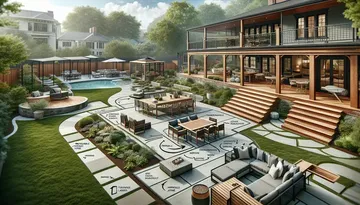
Long parallel boundaries can create a tunnel effect, while limited width forces planting, circulation, privacy, and seating into the same strip. The most successful plans interrupt the corridor and make every object perform more than one job.
Break the claustrophobic feeling
- Open selected views to the sky and avoid a continuous heavy canopy.
- Create a visual destination at the far end with a specimen plant, art, or a small water feature.
- Use pale surfaces or restrained mirrors to amplify light in shaded passages.
- Divide the length into a sequence of small rooms instead of one uninterrupted alley.
- Set paths or pavers diagonally to visually widen the space.
Solve the width shortage
- Choose fold-down tables, wall benches, and slim planters.
- Arrange dining, lounging, and planting in longitudinal zones.
- Use built-in storage seating so furniture does not become clutter.
- Keep one dependable clear path, then let planting soften its edges.
Expand planting vertically
- Trellises, espalier trees, pocket planters, and climbing vines extend the garden upward.
- Hanging systems work where the wall can safely carry the load and irrigation can drain cleanly.
- Repeat a limited palette so a dense vertical garden still reads as calm.
Add function without adding clutter
Hide storage below seating, stack functions vertically, filter views with open screens instead of solid walls, and make the narrow route connect meaningfully to the front and main backyard. Before building, check drainage, access, fire clearances, and mature plant width.