
How to Use AI for Landscape Design
A step-by-step guide to turning a real yard photo into a climate-aware landscape concept with Quick preview or a Best-quality planning sheet.
June 20, 2026 · 8 min read
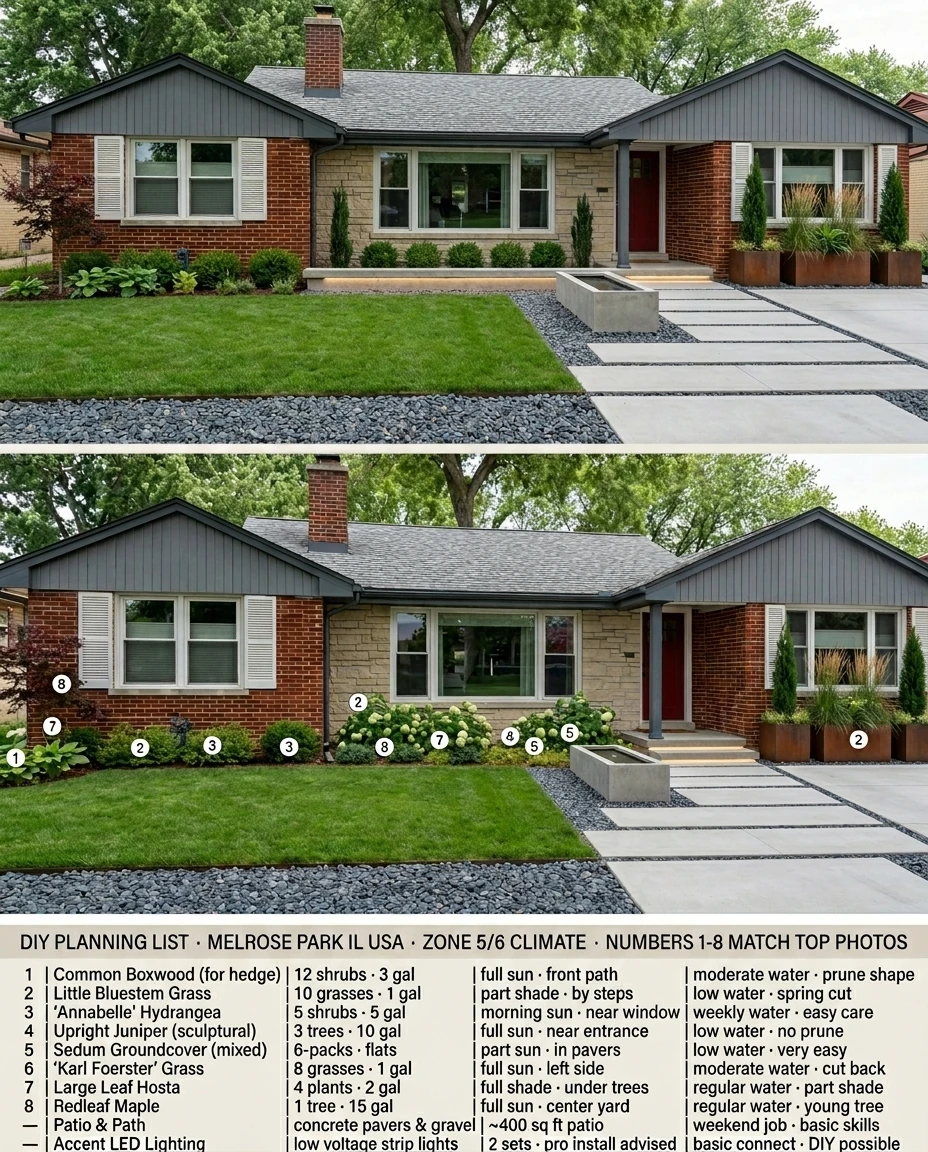
What is AI Yard Design Generator?
AI Yard Design Generator is a photo-based landscape design platform. It transforms a yard, patio, garden, side yard, or pool photo while preserving the home and the main structure of the property.
Instead of drawing a mask, choose the outdoor area, a style or function, and any optional elements. Location text helps the generator choose climate-appropriate plants and materials.
Step 1: Upload your photo
Use a clear daylight photo taken at standing height. JPG, PNG, and HEIC files up to 20MB are accepted, and a sample photo is available when you only want to explore the workflow.
Step 2: Choose the area and direction
- Front Yard: curb appeal styles from modern minimalist to cottage and Mediterranean.
- Backyard: relaxation, dining, play, pet-friendly, fire-pit, workspace, and other functions.
- Patio & Terrace: dining, lounge, pergola, outdoor kitchen, urban terrace, and poolside layouts.
- Garden Retreat, Side Yard, and Pool & Spa each have purpose-built presets.
Step 3: Add useful context
Add landscape elements such as planting, paths, pergolas, seating, water, or fire features. A city or region improves climate fit, while Additional requirements can capture goals such as low maintenance, pet friendly, or native planting.
Step 4: Generate, compare, and download
- Quick preview uses 1 credit and returns one clean concept image.
- Best quality returns a three-part sheet: clean design, numbered items, and a DIY planning list.
- Best quality costs 2 credits at 1K, 3 at 2K, or 4 at 4K.
- Open the result full size, download or share it, then fine-tune details in plain language.
Tips for better results
- Show the house and the complete design area in even daylight.
- Use Quick preview to explore, then Best quality at 2K or 4K when the direction is settled.
- Write specific requirements: “drought-tolerant native shrubs” is more useful than “nice garden.”
- Treat the result as a concept and verify drainage, construction, utilities, and permits with qualified local professionals.